Posts

Showing posts with the label conservation

Never Rake Leaves into Storm Drains or Waterways
Image
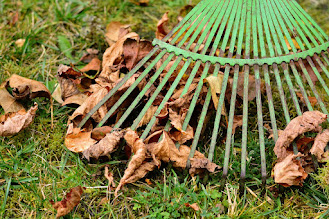
Hopefully most people are aware of the dangers of pouring oil, pesticides and other products into our storm drains or dumping them into our rivers. Now that leaf raking season is fast approaching, remember storm drains and rivers are no place for leaves either. Some people may think that leaves are from nature, so it can’t hurt the environment if they washed into the storm drain or if they are left along the river banks – right? Wrong. Many leaves will naturally fall into the water, but we should never put the leaves that fall on our lawn in a creek, river or stream. Excessive decaying leaves use up the water’s oxygen, harming the animals that live in the water. Storm drains are designed to take away water runoff. They collect excess water from rain events and move the untreated water into waterways such as the Shiawassee, Maple and Looking Glass Rivers.   When leaves and yard waste collect in the drain system, they block pipes, resulting in the flooding of our roads, waterways...
Say Yes to No-Till Farming

Image
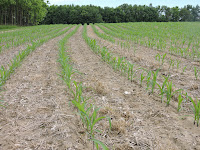
What do you think is the most crucial component in any farming operation? Although equipment, seed, fertilizer, and other farming tools might come to mind, these can all be interchanged or replaced. The soil is the most crucial component. The one constant in any farming operation is the land being farmed. Most farmers strive to do their best to be good stewards of the land because their livelihood depends on the productivity of the soil. One practice that will improve soil productivity and health is no-till farming. No-till farming is a method of growing crops from year to year with minimal soil disturbance. Crop residue is left on the field after harvest, where it acts as a mulch to protect the soil during the winter. No-till farming helps to control soil erosion, keeping the valuable topsoil on the crop field. The following year’s crop is planted with a special planter that cuts a slot through the residue just wide enough to place the seeds in the soil. Conserving soil is not the...

Farm management: Good for you, good for our future

Image
  Keeping nutrients on your field is just as important as keeping them out of our waterways. The same nutrients that are essential for crop growth and profitability are the same nutrients that endanger water when they escape from the field. Sediment, organic matter, fertilizers, and pesticides are all nutrients that can come from farm fields and be transported to water either through erosion or storm runoff. Resource management is not a “one fits all” method. It is best to come up with a practice plan that is specific to your farm and goals. Effective agricultural management requires knowledge of how nutrients move across the land and the impact they have. Luckily, there are many management practices to help protect water and keep nutrients on the land. A soil test is a good starting point. A nutrient management plan can be developed from the soil test results. Following the plan will help keep nutrients on the field and out of the water by following the right rate, at the righ...

CREP Can Help You Protect Your Land For Future Generations

Image
Conserving water and soil resources helps to protect the land for our use now and for future generations. In fact, landowners often tell us the reason they request a conservation plan is to protect what is special about their land today, so that it will benefit their kids and grandkids once it is passed down . The connection between h umans and the land is a strong one. Like Hugh Hammond Bennet, the Father of Soil Conservation once sai d, “Take care of the land, and the land will take care of you.” The Shiawassee Conservation District offers free and confidential conservation planning assistance. Conservation planning offers many benefits, including learning wh at conservation programs you may be eligible to participate in. One of these programs is the Conservation Reserve Enhancement Program (CREP). CREP is part of USDA Conservation Reserve Program (CRP). It offers enhanced financial incentives to landown ers who agree to establish and maintain eligible conservation practices. This g...

6 Habits to Fall in Love with this Autumn

Image
  The leaves are falling, temperatures are cooling, and many of us are preparing our homes for winter. Fall is a great time for cleaning up around the house, but let’s not forget to keep water quality in mind while doing so. There are sources of water pollution that are unique to autumn, such as yard wastes, excess fertilizers, and many others. We have prepared a list of pollution prevention tips so that you can help protect water quality this fall! Leave the leaves. Leaf litter and other yard wastes dumped into streets or local bodies of water can cause flooding and harmful nutrient overload. If you can, leave the leaves on your property; they make for great additions to compost piles or can be mulched into your lawn. If you can’t leave the leaves, check with your township or city for yard waste collection dates. Fertilize with care. Many homeowners fertilize their lawns and gardens in the fall to give them an extra boost before spring. If you plan on using fertilizers, make...

Let’s not treat soil like dirt!

Image
  Soil is a living, ever-changing mixture of organic and mineral material, gases, and water. Life within soil is sustained through plant growth, nutrient and organic matter recycling, and water infiltration. Everything on Earth depends on soil, and often this vital resource is overlooked. It is our responsibility to care and nurture the soil so that we can have a healthy planet for us and for future generations. Healthy soil is like a filter. It absorbs and purifies water before it enters our groundwater, lakes, and rivers. Keeping roots in the ground throughout the entire year, minimizing soil disturbance, and reducing compaction creates larger soil pores, which helps increase water infiltration. When more water can penetrate the soil, there is less nutrient and sediment losses, more water available for plants to grow, and more water that is able to filter down into groundwater. When we benefit soil health, we protect water quality. Soil is fragile and can quickly become out o...