Posts

Showing posts with the label stewardship

Snow Melt is Stormwater Too!
Image
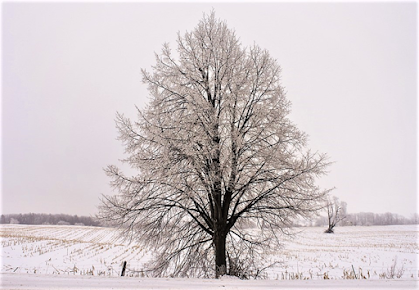
  The beauty that comes with a fresh snowfall is unmatched. However, it doesn’t take long in Michigan for the temperatures to fluctuate and create rapid snow melt. Just like when rain falls during the rest of the year, melting snow turns into stormwater runoff too! Just as heavy rains wash across our yards, driveways, and parking lots, melting snow does the same thing. While washing across these surfaces, the melting snow picks up any pollutants it encounters and then is transported UNTREATED through storm drains into our nearby rivers, ponds, and lakes. So, any trash, oil, gasoline, or salt you notice on your driveway or local store parking lot can be swept away with melting snow and deposited directly into nearby water. Because of the time of year, snow melt has its own unique stormwater problems. The ground is often frozen at the surface, so the melting snow cannot infiltrate the ground like rainwater can. This creates a higher chance of flooding, either on your property or thro...
Water Quality Tips to Win You Over This Winter

Image
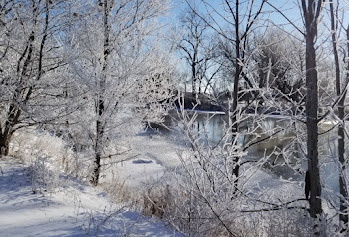
Winter in Michigan is full of adventure. Skiing, sledding, snowmobiling, ice fishing - there are many exciting activities this time of year. But winter also means snow, ice, and hazardous conditions. How we handle these hazardous conditions, such as icy roads or slippery sidewalks, has an impact on our natural resources. What we put on our roads and driveways today can end up in our local waterbodies tomorrow. During snow melt, any salt, sand, or deicers that were used can make their way down storm drains and into surrounding lakes, rivers, and streams. Salt and deicers can be deadly to fish, aquatic plants, and other aquatic life. Sand can make the water murky, which makes it difficult for plants to grow and aquatic animals to eat. Additionally, these materials can reduce our ability to use the water for drinking, irrigation, or recreational opportunities, such as fishing or swimming.  This winter, consider these tips for managing ice and snow – these tips can help protect you, yo...

Farm management: Good for you, good for our future

Image
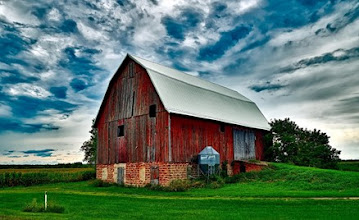
  Keeping nutrients on your field is just as important as keeping them out of our waterways. The same nutrients that are essential for crop growth and profitability are the same nutrients that endanger water when they escape from the field. Sediment, organic matter, fertilizers, and pesticides are all nutrients that can come from farm fields and be transported to water either through erosion or storm runoff. Resource management is not a “one fits all” method. It is best to come up with a practice plan that is specific to your farm and goals. Effective agricultural management requires knowledge of how nutrients move across the land and the impact they have. Luckily, there are many management practices to help protect water and keep nutrients on the land. A soil test is a good starting point. A nutrient management plan can be developed from the soil test results. Following the plan will help keep nutrients on the field and out of the water by following the right rate, at the righ...

6 Habits to Fall in Love with this Autumn

Image
  The leaves are falling, temperatures are cooling, and many of us are preparing our homes for winter. Fall is a great time for cleaning up around the house, but let’s not forget to keep water quality in mind while doing so. There are sources of water pollution that are unique to autumn, such as yard wastes, excess fertilizers, and many others. We have prepared a list of pollution prevention tips so that you can help protect water quality this fall! Leave the leaves. Leaf litter and other yard wastes dumped into streets or local bodies of water can cause flooding and harmful nutrient overload. If you can, leave the leaves on your property; they make for great additions to compost piles or can be mulched into your lawn. If you can’t leave the leaves, check with your township or city for yard waste collection dates. Fertilize with care. Many homeowners fertilize their lawns and gardens in the fall to give them an extra boost before spring. If you plan on using fertilizers, make...